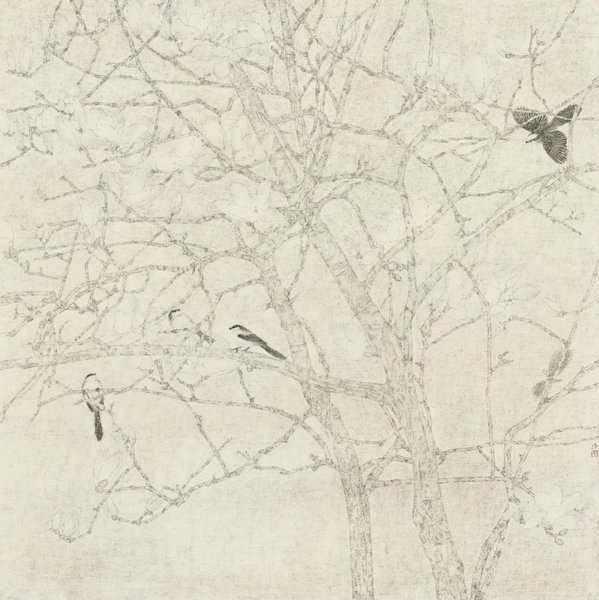
Gongbi Painting
Introduction
"Gongbi Painting", known in English as elaborate-style painting or traditional Chinese realistic painting. Renowned for its precise technique and vivid coloring, Gongbi painting has been a preferred art form for its detailed depictions and expressive use of color. This distinctive style has played a pivotal role in the visual representation of Chinese cultural and artistic traditions for millennia, making it a prominent cultural calling card of China that is highly appreciated worldwide.
Historical Background
The origins of Gongbi painting date back over two thousand years, with its techniques being refined and passed down through generations. Historically, this style has been utilized in the depiction of a wide array of subjects, including human figures, birds, flowers, and detailed landscapes. Gongbi paintings are characterized by their meticulous brushwork, which is employed to create highly detailed and accurate representations of the subjects. Over time, Gongbi has evolved to incorporate modern elements while maintaining the essence of traditional Chinese art.
Notable Historical Works
Several iconic paintings in Chinese history exemplify the Gongbi style, such as Court Ladies Wearing Floral Headwear, attributed to the 8th-century painter Zhou Fang, and Along the River During the Qingming Festival by Zhang Zeduan of the Song Dynasty (960-1279). These works highlight the precision and detail integral to Gongbi painting, demonstrating its ability to capture the subtleties of human expression and natural beauty.
Cultural Significance
Gongbi painting is regarded as one of the most representative art forms in traditional Chinese artwork. For centuries, it has been instrumental in the depiction of cultural narratives and historical events, reflecting the artistic spirit and aesthetic values of various dynasties. The art form's emphasis on precision and detail can be seen as a reflection of the value placed on meticulousness and refinement in Chinese culture.
Modern Influence and Innovation
In contemporary times, Gongbi painting continues to be a significant cultural expression, with artists integrating innovative techniques and modern themes. Young Chinese artists have been recognized for their ability to blend contemporary imagery with traditional Gongbi elements, creating new interpretations and expanding the boundaries of this time-honored art form. Exhibitions such as the "Contemporary Gongbi Painting Nomination Exhibition" showcase the works of promising artists who combine modern aesthetics with traditional techniques.
Techniques and Materials
Gongbi painting is distinguished by its use of fine brushwork and attention to detail. Artists use a combination of traditional rice paper, silk, and fine-bristled brushes to achieve the characteristic precision of the style. The selection of vibrant colors is integral to the aesthetic, with mineral-based pigments commonly used to ensure longevity and vibrancy. Meticulous layering and shading allow for the creation of realistic textures and depth within the artwork.
Contemporary Artists
Lin Ruoxi
Born in 1963, Lin encompasses a wide range of subjects, from traditional flower-and-bird paintings to elaborate figure compositions and expansive landscapes. Lin's contributions to Gongbi painting have been showcased in various exhibitions, highlighting his role in both preserving and innovating the traditional style.
He Jiaying
He Jiaying is another prominent figure in the Gongbi painting community, known for his detailed figure paintings that bring classical themes into modern settings. His works, such as A Break During Dance, exemplify the seamless integration of classical elegance and contemporary relevance, showcasing the enduring appeal and adaptability of Gongbi painting.
Contemporary Exhibitions and Global Reach
In recent years, Gongbi painting has been featured in numerous exhibitions worldwide, emphasizing its universal appeal and relevance. Events like the "Silk and Paper, Pure Heart - Contemporary Chinese Gongbi Painting Art Exhibition" in Luxembourg and the Silk Road mural exhibitions in Paris have served to deepen the global appreciation and understanding of this traditional Chinese art form. These exhibitions aim to build cultural bridges, enhancing the dialogue between Chinese art and the global artistic community.








